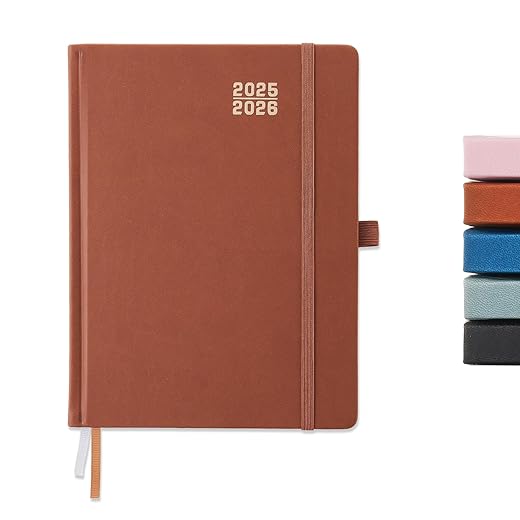
As a paraprofessional working with elementary students with autism, one of my biggest goals is to help students feel capable, confident, and ready to take on each school day. One of the most effective tools I’ve seen make a difference—for both students and parents—is a student planner.
Planners may look like a simple notebook, but when used well, they become a bridge between home and school. They keep students organized, give parents valuable insight, and build confidence in children as they learn independence.
Why Planners Work for Students with Autism
- Visual Structure – Many children with autism thrive on predictability. Planners provide a daily roadmap that reduces anxiety and increases focus.
- Consistency Across Home & School – Parents and teachers can use the planner as a shared communication tool, keeping everyone on the same page.
- Confidence Builder – Checking off tasks or writing down completed work gives students a sense of accomplishment.
- Executive Function Support – Skills like planning, remembering assignments, and breaking tasks into steps can be practiced daily with a planner.
How Students Can Use Their Planner
- Morning Setup: Start the day by reviewing the schedule together. Highlight important reminders (tests, projects, or special activities).
- Checklists: Use stickers, colors, or simple symbols (like ✅ or 🙂) to track completed tasks.
- Reflection Space: End the day with a short “Today I did great at…” or “Tomorrow I will try…” section.
Tip: Keep it short and straightforward. Just one or two main tasks per page works best for elementary students.
How Parents Can Support Planner Use
- Review Together – Take 5 minutes in the evening to go over the planner with your child. Celebrate progress and discuss what’s next.
- Consistency is Key – Make it part of the daily routine, just like brushing teeth.
- Use Positive Language – Focus on what went well: “I see you finished your reading today—that’s awesome!”
- Stay Informed – Planners give parents a direct line to what’s happening in class, which reduces surprises and helps with smoother transitions at home.
Building Confidence Through Organization
When students know what’s expected of them and can see their progress, their confidence grows. Parents feel more connected, and teachers have a reliable way to share information.
A planner isn’t just about keeping track of homework—it’s about helping students with autism feel organized, informed, and empowered every day.
✨ Final Thought: A planner is more than a tool—it’s a partnership between students, parents, and educators. With small, consistent steps, it can help your child succeed not only in school but in building lifelong independence.
Affordable Amazon Essentials for Helping Kids Stay Organized