When it comes to working with autistic children in the classroom, I’ve learned that organization isn’t just about neat shelves and tidy desks—it’s about creating an environment where students can feel safe, focused, and confident. Over the years, I’ve developed strategies that help our classroom run smoothly and provide our students with the structure they need to thrive.
Visual Schedules Are a Lifesaver
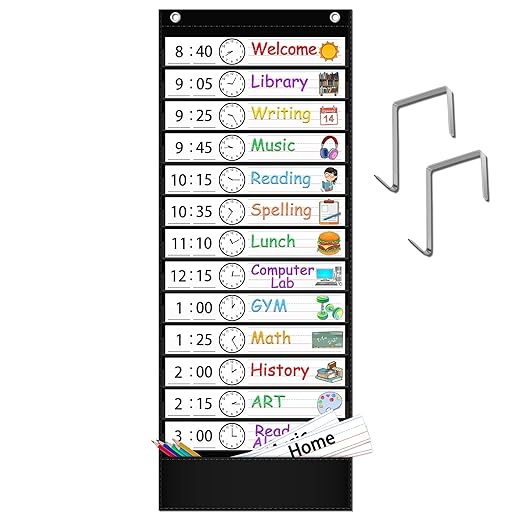
One of the most effective tools we use is a visual schedule. Our students like to see what’s coming next, and the schedule helps alleviate anxiety around transitions. We use picture icons for each subject, special, and even breaks. When a student asks, “What’s next?” we can point right to the schedule, and they feel reassured.
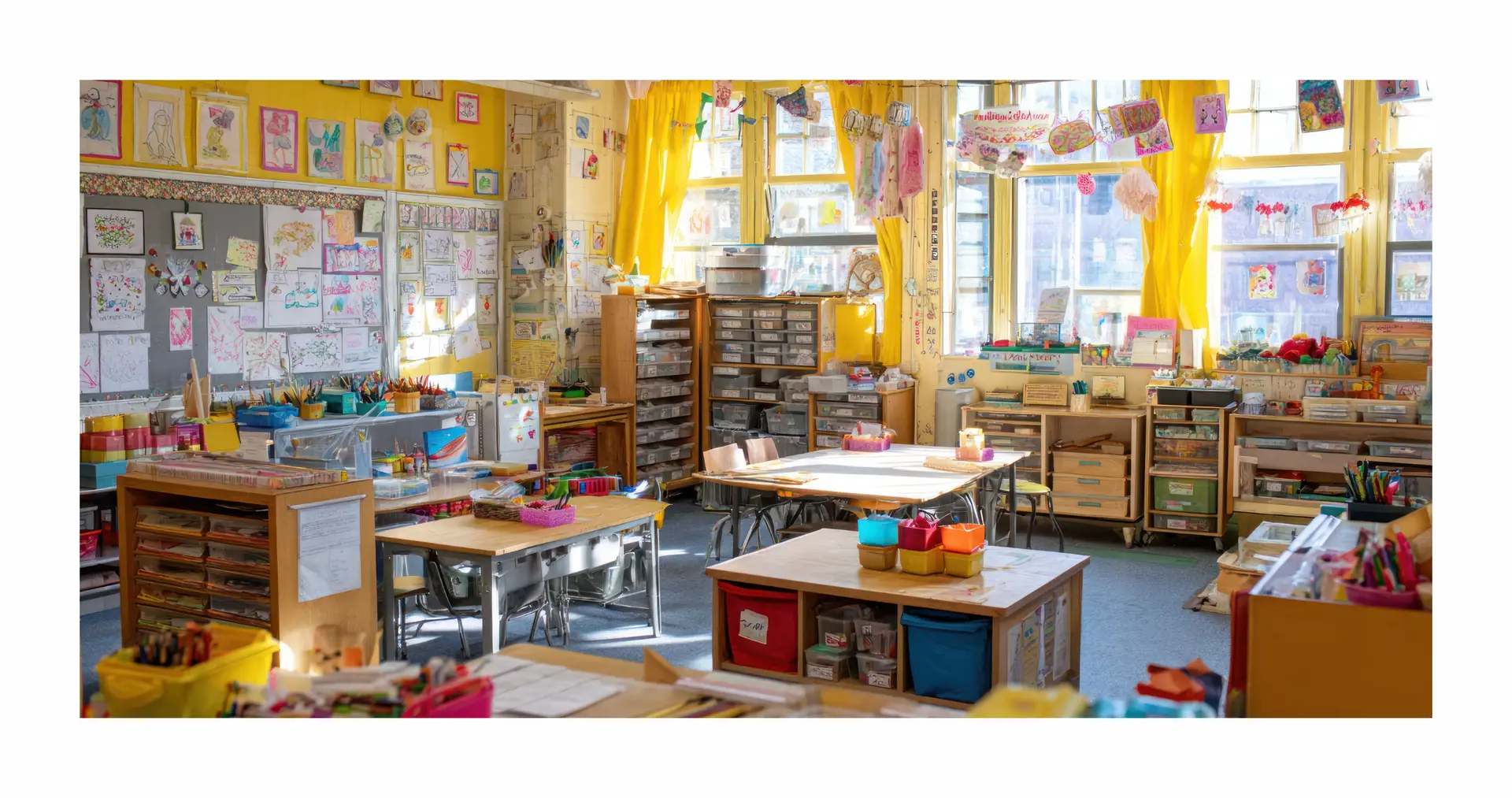
We ensure that every area in the classroom has a clear purpose, including a reading nook, a sensory corner, a group table, and individual desks. Our students are familiar with the purpose of each space, which helps reduce distractions and confusion. For example, when we set up the sensory area, we included noise-canceling headphones, fidgets, and a soft rug—items that help our kids reset when they’re overwhelmed.
Label Everything (with Words and Pictures)
Bins, cubbies, folders—you name it, we label it. Having both words and pictures makes it easier for students to find what they need independently. I’ve seen the pride on a child’s face when they can grab their own math bin without asking for help.
Build in Predictable Routines
Routines are just as important as organization. We start every morning the same way—with a calming activity, such as morning bins or journaling. This consistency sets the tone for the day and makes students feel secure.
Keep Materials Accessible
We store the most frequently used supplies (pencils, crayons, scissors) in clear bins at the student level. For kids who need extra support, we use color-coded folders so they can quickly spot which one is for reading or math.
Create Calm Through Design
Colors and visuals matter. Instead of covering every inch of the wall, we keep displays simple, clear, and purposeful. Too much visual clutter can make it harder for our kids to focus. A well-placed anchor chart or calming poster goes a long way.
Final Thoughts Classroom organization for autistic children isn’t about making the space look Pinterest-perfect—it’s about creating an environment that reduces stress and builds independence. With a mix of visuals, routines, and clearly defined spaces, we’ve seen our students feel more confident and ready to learn.