At the end of the school day, homework can feel overwhelming—both for our students and for us as parents and teachers. I’ve seen it firsthand in our classroom: when assignments aren’t clearly tracked, stress builds, meltdowns happen, and parents often don’t even realize what’s been missed until a note comes home. That’s where a Student Homework Tracker makes all the difference.
Why Homework Feels Overwhelming
For many of our elementary students—especially those with autism or ADHD—homework isn’t just about doing the work. It’s about remembering what needs to be done, organizing materials, and starting tasks without getting lost in frustration.
When the day is already packed with transitions, sensory overload, and social demands, even a “simple” worksheet can turn into tears. We’ve seen students freeze because they know they have homework, but can’t remember what it was. Parents feel stuck, too—how can you support your child if the assignment list isn’t clear?
How a Homework Tracker Helps
We introduced a Student Homework Tracker in our classroom, and it changed the after-school routine. Here’s what worked:
- Clear Task Lists
Instead of a jumble of assignments, each student has a written or digital list: “Math—page 42, #1–10,” “Spelling—write words 3x,” “Read 10 minutes.” When it’s written down in their tracker, there’s no guesswork at home. - Visual Progress
Students love checking off boxes or moving a sticky note from “To Do” to “Done.” That tiny moment of accomplishment keeps motivation going and reduces the urge to shut down. - Predictability
Knowing what’s expected helps prevent meltdowns. One of our students used to cry as soon as homework was mentioned. Now, when he opens his tracker, he sees three clear tasks with checkboxes. He can breathe easier because the unknown is gone. - Parent Communication
Parents aren’t left guessing. A quick glance at the tracker shows exactly what needs to be completed. Some families even add a notes section (“finished reading but need extra time on math”) so we can respond the next day.
Real-Life Example
Last year, one of my 3rd graders often came in without homework. It wasn’t that he didn’t want to do it—his family simply never knew what was assigned. After we started using a homework tracker, things shifted. He proudly brought back his completed work, and his mom told us:
“Before, homework ended in tears almost every night. Now, he sits down, looks at his list, and actually starts without a fight.”
That kind of progress doesn’t come from extra worksheets—it comes from clarity.
Simple Ways to Start
You don’t need anything fancy to try this at home or in your classroom. Here are a few options:
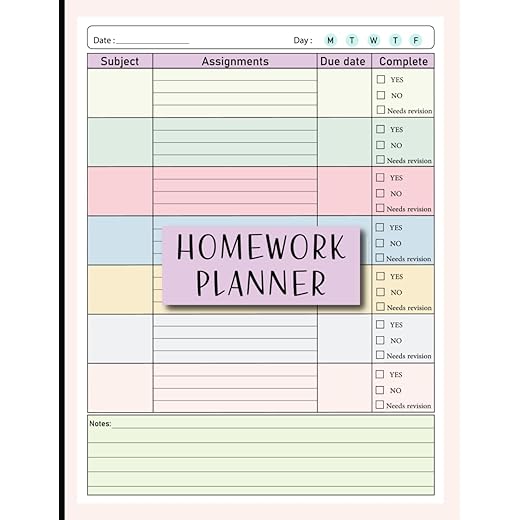
- Printable trackers: A one-page sheet with spaces for each subject.
- Digital planners: Editable trackers on a tablet or computer for tech-savvy families.
- DIY notebooks: A plain notebook divided into “Assignments” and “Done.”
The key is consistency—when students know their tracker will be filled out every day, it becomes part of the routine.
Takeaway
Homework doesn’t have to mean stress and meltdowns. A Student Homework Tracker gives students a sense of control, parents clear information, and teachers the reassurance that assignments will get completed. Most importantly, it builds confidence—because kids feel capable when they can see, track, and finish what’s expected.
👉 We’ve created a free Homework Tracker Template you can edit in Canva and try with your student. Start tonight, and you might find that homework time becomes calmer for everyone.