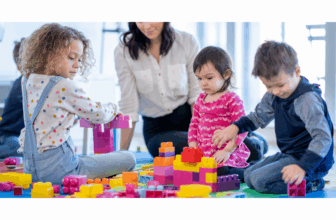
Homeschooling an autistic child is a beautiful mix of flexibility, connection, and personalized learning—yet it also comes with unique challenges. One of the most impactful ways to support your child’s success is by building a sensory-friendly homeschool routine. Many autistic children rely on predictable structure, gentle transitions, and calming environments to feel safe and ready to learn.
This guide will walk you through creating a routine that reduces overwhelm, supports regulation, and brings more peace to your homeschool day.
Why Sensory-Friendly Routines Matter
Autistic children often experience sensory differences that make everyday tasks harder. Sounds, textures, smells, or unexpected transitions can trigger distress or dysregulation. According to the Autism Research Institute, up to 80% of autistic individuals experience sensory processing challenges that significantly affect learning and behavior (Autism Research Institute, 2020).
The National Autistic Society explains that predictability and structure reduce anxiety and help autistic children feel secure, which is essential for meaningful learning (National Autistic Society, 2021).
A calm, sensory-aware routine isn’t just helpful—it’s foundational.
Step 1: Create a Sensory-Friendly Learning Space
A dedicated learning area helps your child mentally shift into “school mode.” Choose a space that is quiet, clutter-free, and soothing.
Tips for the environment:
- Use soft, natural lighting rather than harsh overhead lighting. Many autistic children are light-sensitive (Autism Speaks, 2022).
- Keep visual distractions low. Too much décor can be overstimulating.
- Provide sensory tools such as fidgets, weighted lap pads, noise-canceling headphones, or wiggle seats.
- Offer flexible seating: floor cushions, small tables, beanbags—whatever helps them regulate.
If your child needs movement, consider setting up a small sensory corner with items like a mini trampoline, chewable jewelry, textured toys, or compression blankets.

SENSORY4U 5lb Weighted Lap Pad
Step 2: Build a Predictable Routine (But Keep It Flexible)
Autistic children thrive when they know what to expect. A daily routine reduces anxiety and can even decrease meltdowns (National Autistic Society, 2021).
What your routine should include:
- A consistent start time
- Visual schedule (pictures, icons, or written lists)
- Short work periods (10–20 minutes, depending on age and regulation level)
- Movement or sensory breaks
- Clear transitions using timers or verbal cues
Research from the Autism Society notes that visual schedules support independence, task completion, and emotional regulation in autistic children (Autism Society, 2022).
Example Sensory-Friendly Schedule:
| Time | Activity |
|---|---|
| 9:00 | Soft start (quiet reading, drawing, sensory play) |
| 9:20 | Lesson 1 (with movement options) |
| 9:45 | Sensory Break |
| 10:00 | Lesson 2 |
| 10:25 | Snack + free movement |
| 10:45 | Hands-on activity or outdoor learning |
| 11:30 | Choice time |
Your child’s energy pattern—not a traditional school model—should shape your routine.
Step 3: Support Transitions (A Major Stress Point)
Transitions are one of the most common triggers for autistic children (Autism Research Institute, 2019). That means the moments between activities often matter more than the activities themselves.
Make transitions smoother by:
- Giving 2–5 minute warnings (“In 3 minutes, we’re going to clean up and start math.”)
- Using visual timers or countdown apps
- Offering co-regulation support—sitting beside them, using a calm tone and grounding language
- Letting them finish a task before moving on (reduces frustration)
A quiet transition can prevent a meltdown before it starts.
Step 4: Integrate Sensory Breaks Throughout the Day
Sensory breaks are not optional for many autistic children—they’re essential. They help maintain regulation and prevent overwhelm.
According to the STAR Institute for Sensory Processing, intentional sensory activities improve attention, emotional regulation, and learning outcomes (STAR Institute, 2020).
Types of sensory breaks:
- Movement breaks: jumping, stretching, running in place
- Deep pressure breaks: weighted blanket, wall push-ups
- Quiet breaks: dim lights, soft music, beanbag relaxation
- Oral sensory breaks: chewing gum, crunchy snacks, silicone chew tools
Schedule breaks proactively—not only when a meltdown is brewing.
Step 5: Teach Through Your Child’s Sensory Profile
Every autistic child has a unique sensory pattern. Some seek extra sensory input, while others avoid it.
Ask yourself:
- What calms my child?
- What overstimulates them?
- Do they learn best through movement? Touch? Visuals? Quiet focus?
A 2021 study in Frontiers in Psychology found that matching teaching strategies to a child’s sensory profile increases engagement and reduces resistance.
Examples:
- A sensory seeker may love hands-on, tactile learning.
- A sensory avoider may prefer quiet, structured activities with clear boundaries.
- A movement-oriented learner may benefit from standing desks or walking while learning.
Your homeschool becomes more effective when it aligns with your child’s sensory world.
Step 6: Build Connection Into the Routine
A regulated child learns better—but a connected child learns deeper.
Slow down the day. Create moments for:
- Shared reading
- Gentle conversation
- Co-regulation (modeling calm breathing, grounding)
- Celebrating small wins
Connection is a potent regulator for both mother and child.
Final Thoughts: A Toolbox, Not a Rulebook
A sensory-friendly homeschool routine isn’t rigid—it’s responsive. What works today may shift tomorrow. And that’s okay.
Your goal isn’t perfection.
Your goal is presence, peace, and progress.
By honoring your child’s sensory needs, you’re building more than an education—you’re building trust, confidence, and a lifelong love of learning.
You’re doing an amazing job. 💛
References
- Autism Research Institute. (2019–2020). Sensory Processing Challenges in Autism.
- National Autistic Society. (2021). Understanding Autism & Routine.
- Autism Speaks. (2022). Sensory Sensitivities and Learning Environment.
- Autism Society. (2022). Visual Supports for Autistic Learners.
- STAR Institute for Sensory Processing. (2020). Sensory Integration & Learning Outcomes.
- Frontiers in Psychology (2021). Sensory Profiles and Learning Engagement in Autistic Children.