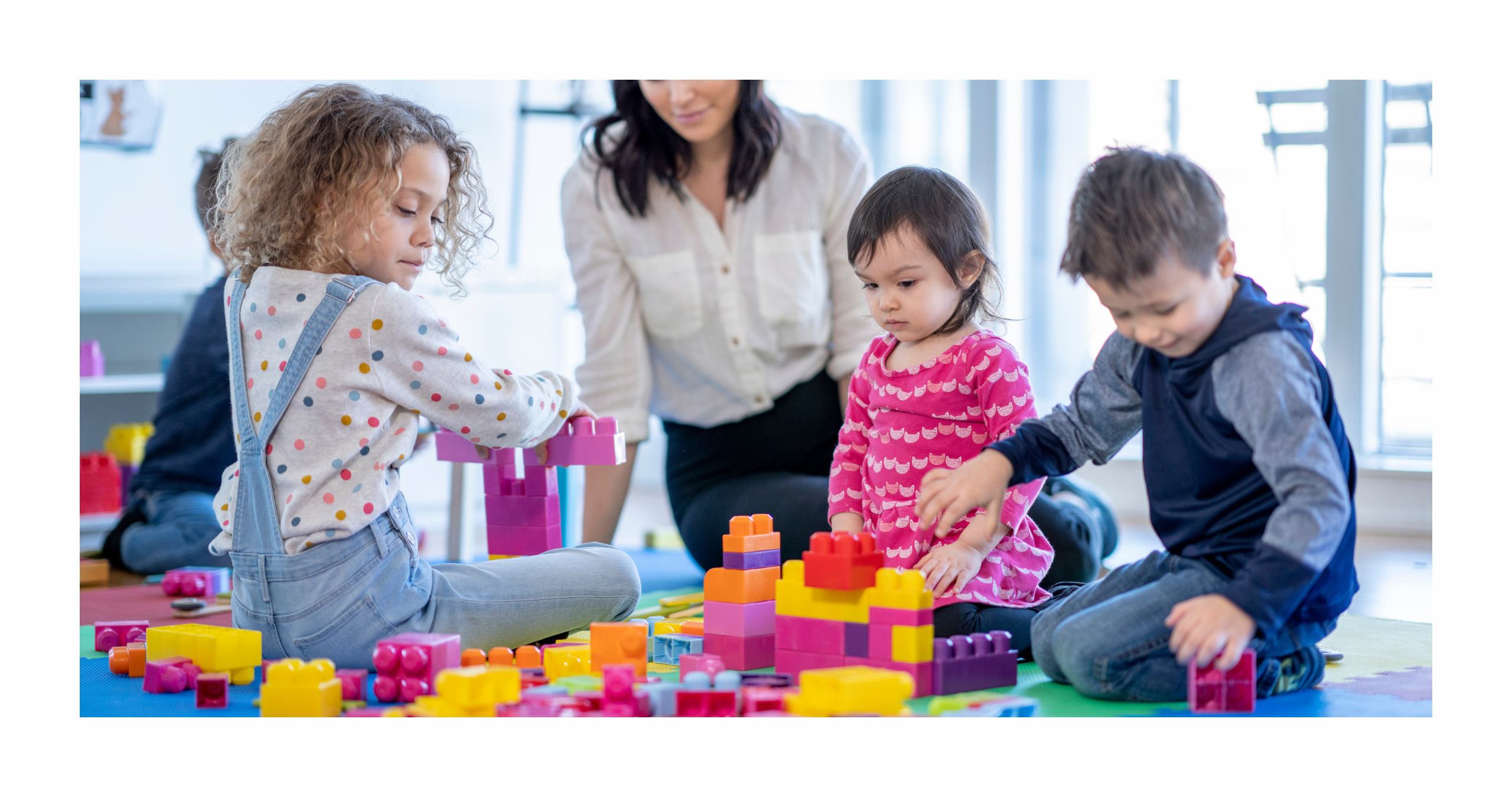
Why Sensory Strategies Matter in The Classroom
We know sensory needs are central to learning and behavior in special education (SPED) classrooms. Sensory processing affects attention, emotional regulation, and participation for many students. When sensory systems are out of balance, students may seem distracted, frustrated, or withdrawn.
Practical sensory strategies help us create calm, predictable learning spaces. Small shifts—such as seating choices, movement breaks, and tactile tools—often lead to significant improvements in focus and cooperation. These are not special extras; they are core teaching tools.
In this article, we share hands-on tactics paraeducators and special education teachers can use right away. We also show ways to collaborate with families and colleagues to make supports consistent across school and home. We keep it simple and practical.
Recognizing Common Sensory Needs and Classroom Signs
Quick overview of the sensory systems we see most
We focus on the systems that most affect elementary students: touch, movement/proprioception, sight, sound, and oral input. In plain terms:
Each system affects attention and behavior in predictable ways, so we watch for patterns rather than assume a diagnosis.
Common sensory profiles and what we might see in class
Sensory behaviors usually fit broad patterns. Remember: these are functional clues, not labels.
A quick classroom example: we once noticed a student who bolted from carpet time—after trying a chewy necklace and a brief heavy-compression lap pad (with OT guidance), they stayed and participated more.
Short observation prompts we use (recess, transitions, small groups)
Use these quick questions to gather valuable info:
Note what happens before and after the behavior—triggers and calming strategies.
Practical product examples (what we reach for)
When to alert the teacher or special education team
Notify the teacher if behaviors persist across different settings, pose a safety risk, significantly hinder instruction, or do not respond to basic classroom strategies. Provide observations, times, triggers, and solutions that were effective—these functional clues will help guide next steps.
Designing a Predictable, Sensory-Friendly Classroom Environment
We know the physical room is the first layer of support. Small, low-cost tweaks can prevent overload and help kids focus. Below is an outline of practical set-ups and things we actually do.
Quiet zones and calming corners
Create one visible, consistent spot where a child can take a regulated break.
Predictable visual schedules & transitions
Clear, consistent cues reduce surprises.
Flexible seating options
Offer choices that meet movement and proprioceptive needs without taking up too much space.
Managing lighting and noise—simple tools that work
Small swaps change sensory load immediately.
Layout examples (quick)
Quick classroom audit checklist
We track each change’s effect—note time of day, behavior before/after, and adjust. Next, we’ll look at how to turn these classroom tweaks into individualized sensory plans that evolve with each student.
Daily Instructional Strategies That Meet Sensory Needs
We want sensory supports to be invisible partners in learning — built into routines so kids get what they need without interrupting instruction. Below are classroom-tested tactics we use every day that are simple to try.
Quick sensory warm-ups and scheduled movement breaks
Start focused work with a 60–90 second warm-up to organize the body.
Embed proprioceptive “heavy work” into routines
Make calming input part of everyday jobs so it’s natural, not punitive.
Tactile tools and manipulatives during lessons
Use sensory-rich materials to support attention and concept development.
Visual supports and simplified instructions
Reduce cognitive load so sensory regulation doesn’t compete with learning.
Differentiation strategies for whole-group blocks
Keep the class moving while meeting individual needs.
Balancing tools with instructional focus
Set simple norms and logistics so tools support — not distract.
Next, use these everyday strategies to shape individual sensory plans that adapt as students grow.
Creating and Adjusting Individual Sensory Plans
When whole-class supports aren’t enough, we build short, usable sensory plans so staff and families can act the same way. Below is a step-by-step approach that is used with new paras and teachers.
1) Quick functional observation (5–10 minutes)
We start with a short, structured walk-through: note what happens right before the behavior, the behavior itself, and what follows (ABC). Record timing (e.g., off-task after 8–10 minutes of seated reading) and context (noise, seating, task type). Keep one-page charts in the room—they’re faster than full reports.
2) Document triggers and what already helps
Make two lists on a single sheet: “Common Triggers” and “Supports That Work.” Example entries:
3) Trial strategies with simple data collection
We trial one change at a time for 2 weeks and collect easy data: 10-minute partial-interval checks, tally marks for on-task minutes, or a 3-point visual behavior score after each reading block.
4) Write clear, usable steps for staff
Create a one-page flowchart or script paraeducators can follow—no jargon, just actions.
Include product references in the plan (e.g., weighted lap pad: Fun and Function lap pad; chewy: Chewigem-style chewy tube) so substitutes know what’s approved.
5) Set measurable goals
Goals must be observable and time-bound.
6) When to escalate to OT or nurse
Escalate when:
We ask OTs for equipment prescriptions and check with the school nurse about medical contraindications.
7) Safety for equipment and input
Always follow manufacturer weight limits and building anchoring rules for swings (many swings list limits 200–350 lb); use mats, continuous supervision, and written permission. For deep pressure, confirm there’s no medical reason to avoid it.
8) Keep plans portable and simple
Make a laminated one-page plan, a color-coded lanyard card for paras, and a digital copy in the shared drive. Add a “substitute quick sheet” with three steps and pictured prompts so supports survive transitions and staffing changes.
We keep plans practical, short, and tested—so everyone can use them confidently.
Partnering with Families and Building Consistency Between Home and School
Building trust with families is as important as choosing the right tool. We aim for practical, respectful partnerships so sensory supports work the same way at school and at home.
Start with a friendly, problem‑solving conversation
Open with strengths and curiosity. Quick phrases we use:
These low-pressure lines center the family and invite collaboration.
Collect useful family input (fast and focused)
Use short tools we can complete in 5–10 minutes:
Share simple, home-friendly interventions
Offer small, realistic ideas families can try tonight—not a long therapy plan.
Respect culture and routines
Ask about preferences up front: food-based calming, touch, prayer times, multi‑generational caregiving, and language. If a family says “no” to brushing or heavy pressure for cultural or medical reasons, we co-create alternatives—like extra movement breaks or a vibration pillow.
Practical communication and handouts
Give families fast, usable materials:
Prepare for after-school transitions
Create a student-facing transition card with 3 steps (countdown timer, practiced script, small reward). Role-play the routine at school and send the same visual to parents to use at pick-up or on the bus.
When families feel heard and supports are realistic, consistency follows—and students generalize skills more quickly. With these partnerships in place, we’re ready to move into the final section on small steps and real wins.
Small Steps, Real Wins
We close knowing small, consistent sensory strategies help students feel safer, focus better, and join classroom life. We encourage observation, teamwork, and gentle experimentation: note one sign, try one change, track the response. Progress is steady when we collaborate with families and celebrate small gains.
Action checklist for this week: