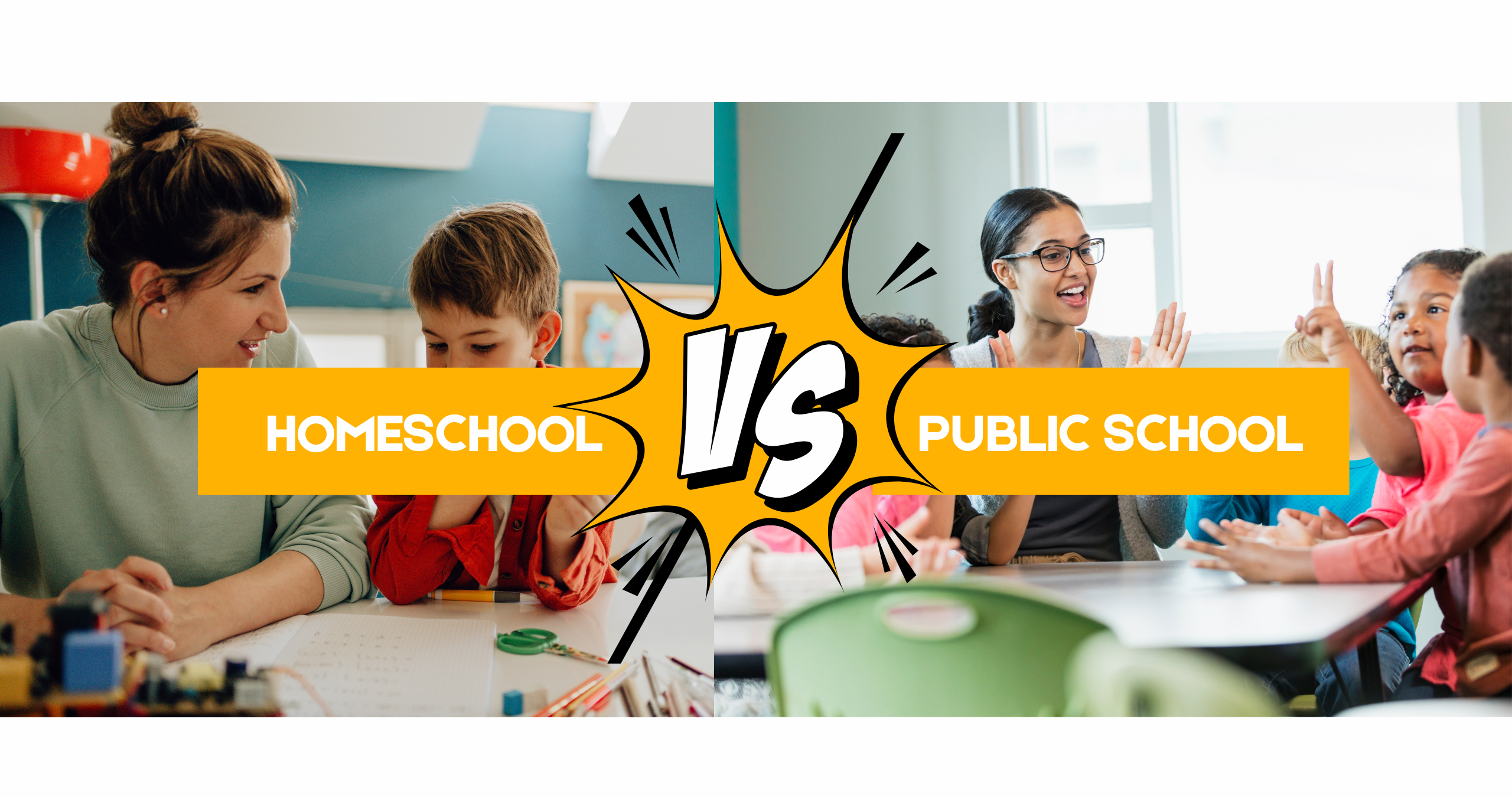
As parents, one of the biggest decisions we make is how to educate our children. Do we send them to public school, or do we take on the challenge of homeschooling? I’ve seen both sides—working in public schools with kids every day, while also knowing families who homeschool—and I can tell you that the “right” answer depends on your child, your family, and your circumstances.
Let’s break down some of the benefits and disadvantages of homeschooling so you can make an informed decision.
The Benefits of Homeschooling
1. Personalized Learning
At home, lessons can be tailored to your child’s learning style, pace, and interests. If your child loves science, you can spend more time on hands-on experiments. If they struggle with reading, you can slow down and use strategies that work best for them.
In contrast, public schools often have to move at a set pace for the whole class, which can leave some kids feeling left behind or unchallenged.
2. Flexible Schedule
Homeschooling allows flexibility that public schools can’t always offer. Families can plan lessons around travel, appointments, or even a parent’s work schedule. Some families use the mornings for academics and the afternoons for sports, music, or outdoor learning.
This flexibility can also benefit children who need breaks, movement, or a slower start to the day.
3. Stronger Family Bonding
Spending more time together often strengthens family connections. Parents have the opportunity to really see how their children learn, grow, and handle challenges. Many families say homeschooling helps them feel closer.
4. Safe and Comfortable Learning Environment
Some children thrive in the comfort of home—especially kids who may struggle with anxiety, bullying, or sensory challenges in large classrooms. Home can provide a calm, predictable space for learning.
The Disadvantages of Homeschooling
1. Time and Energy Demands on Parents
Homeschooling isn’t just teaching your child—it’s planning lessons, grading, finding resources, and managing the day-to-day routine. For working parents or families with multiple children, this can be overwhelming.
2. Limited Social Opportunities
Public school naturally offers daily social interaction with peers, while homeschooling requires parents to seek out opportunities—such as co-ops, extracurricular activities, or community programs—to give their kids a chance to make friends and practice teamwork.
3. Access to Resources
Public schools often provide access to libraries, gyms, labs, special education services, and extracurriculars that may be harder to replicate at home. Parents may need to spend extra time and money to provide these experiences.
4. Financial Considerations
Even though public schools are free, homeschooling often comes with costs—curriculum programs, supplies, field trips, or even a parent reducing work hours to stay home.
Final Thoughts
There isn’t a one-size-fits-all answer. Homeschooling can be an incredible experience for some families, but it also comes with real challenges. Public schools provide structure, social opportunities, and resources, while homeschooling offers flexibility and personalized learning.
If you’re considering homeschooling, ask yourself:
- Does my child thrive in group settings, or do they need more one-on-one support?
- Do I have the time and energy to commit to being their primary teacher?
- Can I provide opportunities for social growth outside the home?
The best choice is the one that fits your child’s needs and your family’s lifestyle. Some families even find a hybrid—using part-time homeschooling, online programs, or charter schools—works best.
At the end of the day, what matters most is that your child feels supported, challenged, and loved—no matter where their learning happens.