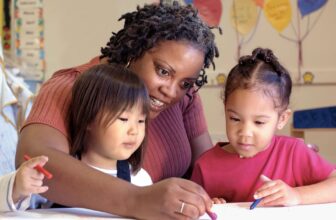
Every August, I walk back into the classroom with the same mix of excitement and nerves. Fresh pencils, shiny new posters, and the buzz of kids finding their way back into routines—it’s all part of the magic of a new school year. But as a ParaProfessional, I’ve also learned that one of the most important things we can do in those first few weeks isn’t about supplies or bulletin boards—it’s about partnership.
Start with Open Communication
One thing that works well for us is having a quick daily check-in. It doesn’t have to be formal. Even a two-minute chat before the kids arrive helps us set clear expectations. For example, I might ask, “Do you want me to run small groups today, or focus on behavior supports?” That little bit of clarity sets the whole day up for success.
Define Roles Early
In my first year, I remember feeling like I was guessing where to jump in. Now, I’ve found that when the teacher and I outline our roles early—who leads the whole group, who supports transitions, who handles pull-outs—it cuts down on confusion and keeps things running smoother for the kids.
Share Strengths
Teachers have so many plates spinning, and paras bring their own strengths to the table. I’ve worked with students where my patience with sensory breaks made a big difference, while the teacher’s ability to adapt a lesson on the fly kept academics on track. Together, we found a rhythm.
Celebrate the Wins (Big and Small)
At the end of a long day, nothing keeps morale higher than pausing to celebrate. Maybe a student finally raised their hand instead of calling out, or a smooth transition happened where we usually have meltdowns. Those small victories are worth recognizing together—they’re the foundation of bigger growth.

Why It Matters
When teachers and paras start the year as true partners, kids notice. They see adults modeling teamwork, respect, and flexibility. And for our most unique learners, that consistency makes all the difference.
So, as we head into a new school year, my best advice is simple: talk often, define roles, share strengths, and celebrate wins. A strong teacher-para partnership doesn’t just make our jobs easier—it creates the kind of classroom where every child feels supported and ready to learn.